TRF’s new free program launches September 2026: Dialogues in Trauma Research
Connecting science to practice, practice to policy, and knowledge to meaningful change.
For clinicians, practitioners, policymakers, advocates, and researchers.
Why this program, why now?
In recent years, trauma research has exploded, with new findings and frameworks emerging across disciplines at a staggering pace. But as the field expands, turning that knowledge into real-world action remains a challenge. Research translation and dissemination are not always straightforward. Clinicians, practitioners, policymakers, advocates, and researchers are often working toward the same goals, each from a different angle, yet too often without enough opportunities to learn from one another in practical, collaborative ways.
TRF’s Dialogues in Trauma Research is built to help close that gap.
Each month, we explore trauma research through one of three formats
Conference Refresh
Revisit recordings from TRF events with facilitated group reflection, connecting presentations to your own work and communities.
Journal Club with Dr. Wendy D’Andrea
A guided discussion of a recent peer-reviewed article, exploring methodology, findings, and implications for practice and policy.
TRF Op-Eds and Publications
Engage with original essays and commentaries from the Trauma Research Foundation that bridge research and public discourse.
How it works:
join a simple monthly rhythm...
1
At the start of the month,
Receive a journal article, Op-Ed, publication, or TRF clip before the session.
2
At the end of the month,
Join a live one-hour Zoom discussion with peers and faculty.
3
Reflect on and apply the research in your own setting.
Journal Club with Dr. Wendy D'Andrea
Dr. Wendy D'Andrea discusses: Does Dissociation Have an Emotion-Regulation Function? Evidence From Daily Life and the Laboratory
We’re launching our first Journal Club of the Dialogues program by exploring the above journal article by Johannes B. Heekerens, et al. Dr. D’Andrea will lead us through a discussion of the methods, findings, and implications for various sectors of the trauma research field. Together, we will explore what the publication is saying on the surface versus what is hidden underneath that we need to unpack.
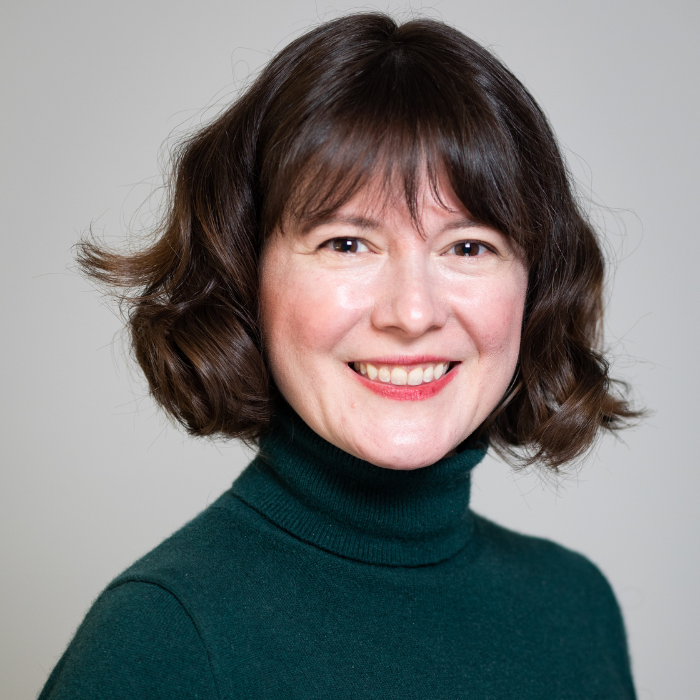
Dr. Wendy D’Andrea
Dr. D’Andrea’s is TRF’s Chief Science Officer and an Associate Professor of Psychology and Director of Clinical Training at The New School. Her research focuses on the psychobiological alterations associated with exposure to complex trauma. This work has focused on changes in factors such as affect recognition and regulation, attention and cognition, relationship, and identity, with an eye towards using lab-based and physiological methodologies for assessment. Her work also attempts to unpack the contributions of marginalization to ways in which individuals adapt to adversity. This research unfolds both the lab as well as in the field, in psychosocial intervention settings. When not working, she loves to dance and cook (sometimes at the same time).
October Session Details
Dialogues is an intimate space for conversation and collaboration. Therefore, we restrict signups to the first 150 individuals who join the signup list. The October session is currently full, but we encourage you to signup for the November list in mid-to-late-October.
- October 29, 2026
- 6 - 7 pm Eastern Time
- Online via Zoom
Note: Signing up does not confirm your place. If you’re among the first 150, you’ll receive registration details and a participant brief in early September.
Missed a previous session? Watch the recording below
- How the Body Remembers: From the Neuroimaging Lab to the Therapy Chair September 24, 2026
- September 24, 2026
At TRF’s 2025 Boston Trauma Conference, Dr. Lanius presented “How the Body Remembers: From the Neuroimaging Lab to the Therapy Chair,” examining how insights from neuroimaging research can deepen our understanding of trauma and inform clinical practice. During this Conference Refresh, Dr. Lanius revisited the presentation and continued the conversation with participants providing updates, additional insights, and answering important questions.
Dr. Ruth Lanius is a clinician-scientist, Professor of Psychiatry, and Harris-Woodman Chair in Mind-Body Medicine at Western University, where she directs the Clinical Research Program for PTSD. With more than 25 years of clinical and research experience, her work explores how psychological trauma affects the brain and body and how neuroscience can inform trauma treatment and recovery.
